Are you ready to help them? Lets become a volunteer!
<i class="icon-donation"></i>Start donating poor people
Our Work
Our Work & Approach
We believe in a better life for children
Free Child Uganda (FCU) is a rights based Non-Governmental Organisation (NGO) dedicated to supporting children in conflict with the law. Established in 2016, our core mission is to provide essential legal aid to vulnerable youth, ensuring their rights are protected within the justice system. As a duly registered and approved legal aid service provider, we operate under a formal Memorandum of Understanding (MOU) with the Ministry of Gender Labour and Social Development MoGLSD). This partnership grants us the mandate to serve children across the seven remand homes, including the National Rehabilitation Centre in Kampiringisa advocating for a more just and rehabilitative future for our nation’s youth.
Child-Friendly Legal Representation
In Uganda, the 2016 Amendment to the Children Act established a child’s right to effective legal aid. Yet, in practice, this right remains out of reach for many, as the enabling law to operationalize it has not been passed. As a result, countless children in conflict with the law are left to navigate the complexities of the criminal justice system alone, often without understanding the charges against them or the procedures unfolding around them. This gap disproportionately disadvantages vulnerable children, exposing them to unfair trials and harsh outcomes that fail to consider their age, maturity, and circumstances.
Our work bridges this gap by providing specialized legal representation to children, ensuring their rights are protected at every stage of the justice process. We represent all children—regardless of the nature of the crime—in both High Courts and lower courts, tailoring our approach to each child’s needs. By simplifying complex legal concepts, we empower children to understand their cases and actively participate in their defense, making sure their voices are heard. We collaborate with key stakeholders across the justice chain, including the Police under the Child Protection Unit (CFPU), Office of the Director of Public Prosecutions (ODPP), the Judiciary, Probation and Social Welfare Officers (PSWO) among others; to promote child-friendly practices. Since our inception in 2016 we have represented over 7,200 children detained in remand homes across the country.
Promoting Diversionary Justice
International, regional, and national standards all encourage the use of diversion as an alternative to formal judicial proceedings, especially for children charged with petty offences. Diversion is widely recognized as an effective way to reduce stigmatization, prevent disruption of education, and protect family and community ties. It also helps avoid the harmful consequences of mixing minor offenders with hardened criminals, while easing overcrowding in remand homes. Yet in Uganda, many children charged with minor offences that could have been resolved at Local Council Court level or by police under the Children Diversion Guidelines still end up trapped in the formal criminal justice system unnecessarily.
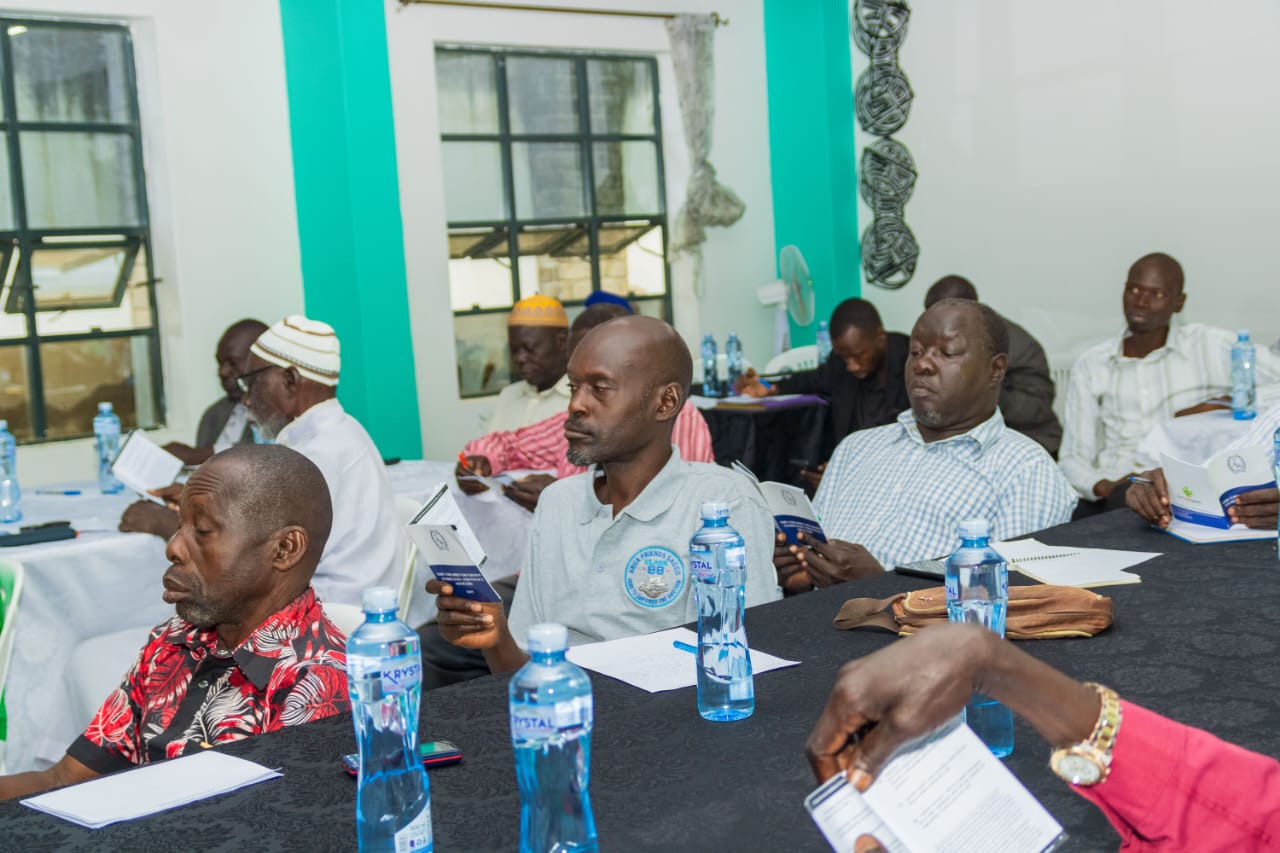
Our work seeks to change this reality by actively promoting diversion as a child-friendly justice solution. We focus on building the capacity of justice actors—including the Police, Judiciary, and Local Council Courts—to implement Uganda’s National Diversion Guidelines effectively. Through training, advocacy, and collaboration, we equip these institutions to recognize when diversion is appropriate and to apply it consistently. As a result, more children are spared the trauma of unnecessary detention and given the chance to reintegrate into their communities. To date, our diversion campaign has successfully recorded over 800 cases diverted, demonstrating the tangible impact of prioritizing rehabilitation over punishment and ensuring that children in conflict with the law are treated with fairness, dignity, and compassion.
Family Resettlement & Reintegration
Release from detention is only the beginning of a child’s journey back to normal life. Many children struggle to reintegrate due to stigma and negative perceptions within their communities, where former offenders are often viewed with suspicion or rejection. To address this, we work hand in hand with Probation and Social Welfare Officers to conduct family tracing and provide the necessary support for safe and seamless re-entry into homes and communities. By ensuring that children are welcomed back with care, we help them rebuild trust and stability in their immediate environment.
Our reintegration efforts also extend to the wider community. We engage local leaders, families, and peers to challenge harmful stereotypes and foster acceptance, so that children are not defined by their past mistakes but by their potential for growth. Through dialogue and community support, we create pathways for children to return to school, reconnect with their families, and pursue opportunities that restore hope and dignity. To date, working together with other partners, we have successfully reintegrated over 2,300 children, giving each one a second chance to rebuild their lives and contribute positively to society.
Legal Awareness & Community Engagement
Community involvement is essential for effective juvenile justice delivery, particularly in advancing diversion initiatives. For these approaches to succeed, communities must be sensitized about the rights of children and their role in using appropriate systems to resolve child-related issues in fair and constructive ways. We recognize that lasting change requires shifting perceptions and building ownership at the grassroots level, so we invest in raising awareness that protecting children’s rights is not only a legal obligation but also a shared responsibility that strengthens families and communities.
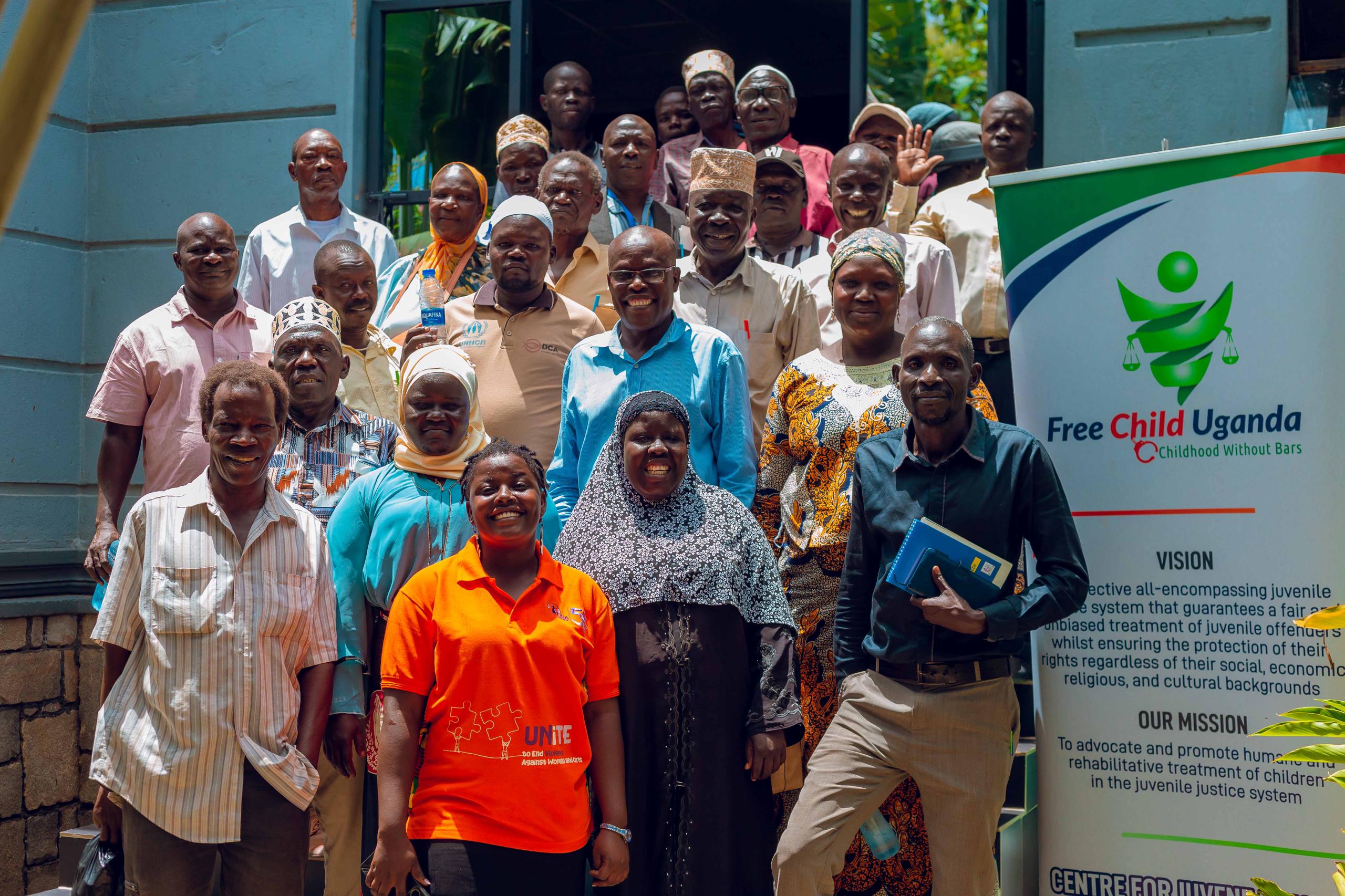
Through schools, community dialogues, and meetings with religious and cultural leaders, we have engaged over 2,500 stakeholders in conversations about juvenile rights and child-friendly justice. In these spaces, we promote alternative dispute resolution and restorative justice as practical tools for community-based healing, ensuring that children are not stigmatized but supported to grow and reintegrate. By working with parents, teachers, elders, and leaders, we foster a culture of acceptance and accountability where communities themselves become champions of diversion and child protection.
National Policy Advocacy
Children in conflict with the law continue to overwhelm Uganda’s justice system due to limited human and financial resources. The current system leans heavily on punitive measures rather than restorative approaches. As a result, the intended corrective outcomes of a child’s contact with the justice system are often not realized. We recognize that meaningful reforms are urgently needed to streamline the roles and jurisdiction of various actors at the national level and to align Uganda’s juvenile justice practices with international standards that prioritize rehabilitation and child protection.
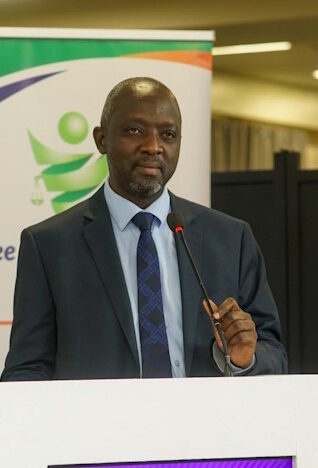
FCU actively engages state actors to bridge the gap between law and practice. We provide platforms for dialogue to address systemic challenges and advocate for reforms that place rehabilitation at the centre of juvenile justice. Through our membership in district committees and participation in national platforms, we consistently advocate for policies that reduce reliance on punitive measures and strengthen diversion , reintegration and restorative justice By championing these reforms, we ensure that Uganda’s juvenile justice evolves into one that protects children’s rights and promotes rehabilitation and gives every child a fair chance to rebuild their future.
Juvenile Justice
To this end we foster synergies and collaborative working with different agencies and individuals who supporter us